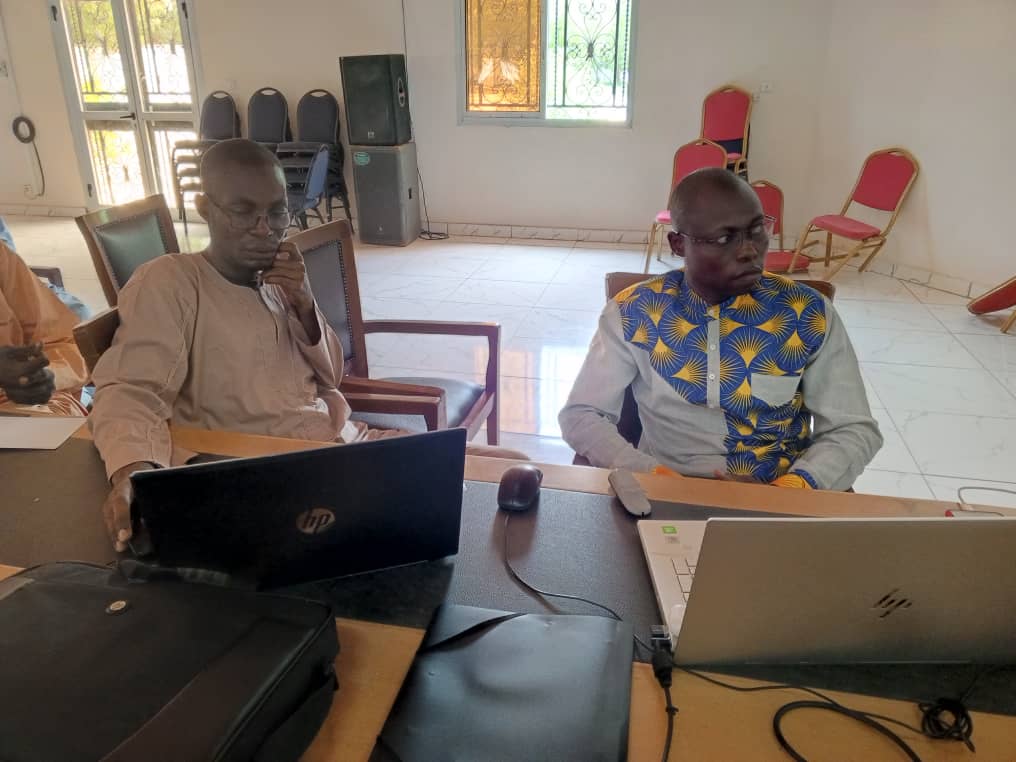
Training for trainers on climate change
The entire world is experiencing the full impact of climate change, and these impacts are particularly dangerous in the Sahelian zone. This semi-arid region, which extends from Senegal to Mali, Chad, and Sudan, faces a combination of challenges related to food security, poverty, and political fragility due to long and frequent dry seasons and sudden floods that destroy crops and harvests, leading to food insecurity and famine, a vulnerable economy, etc.
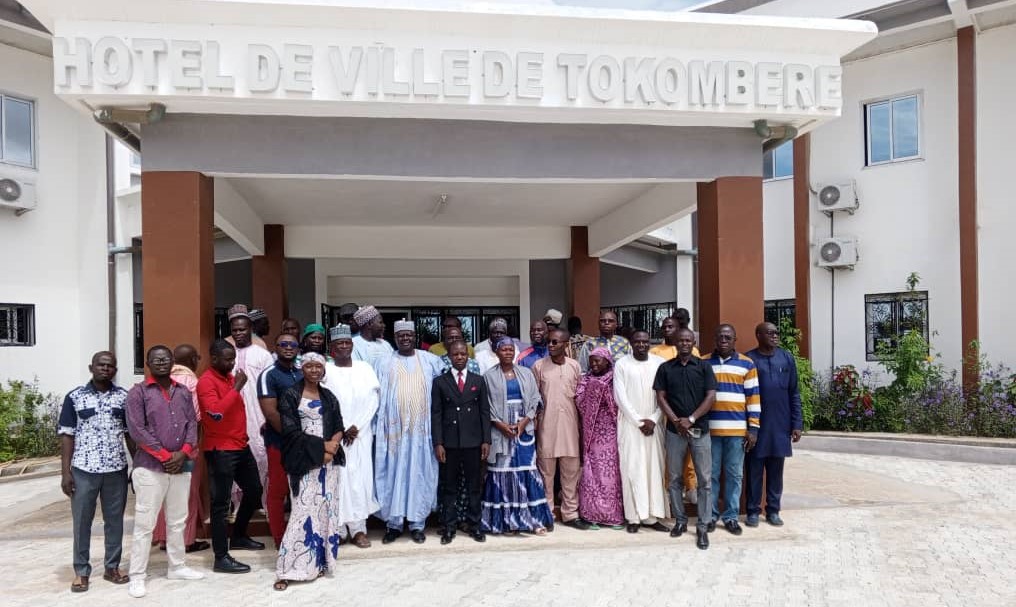
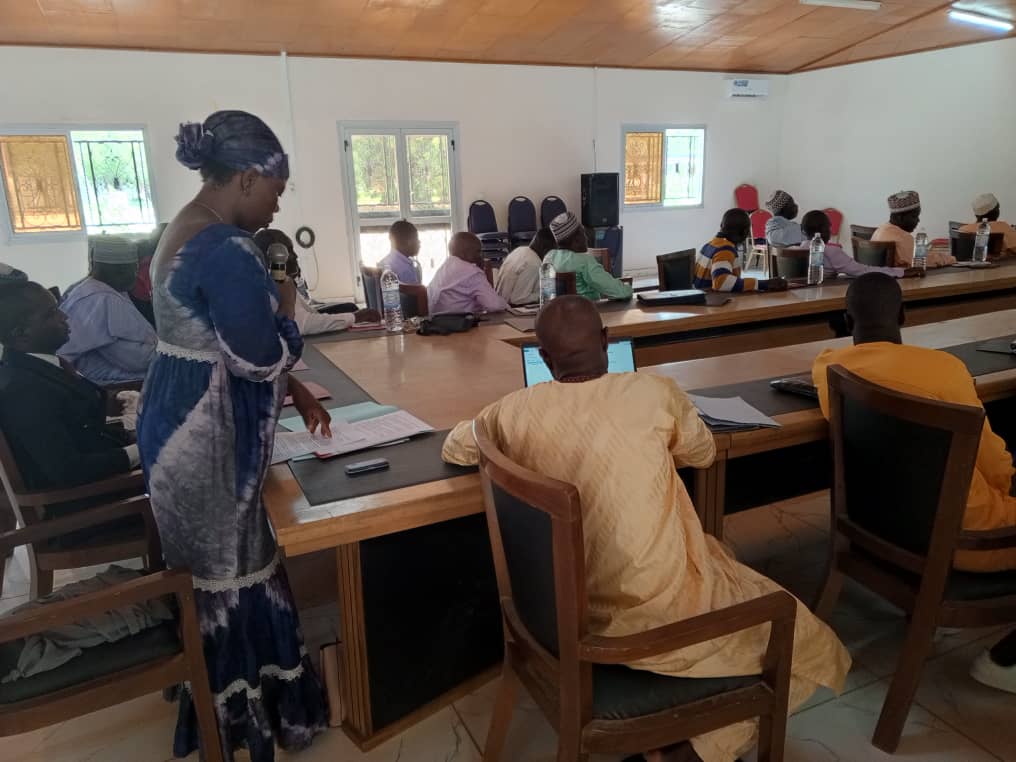
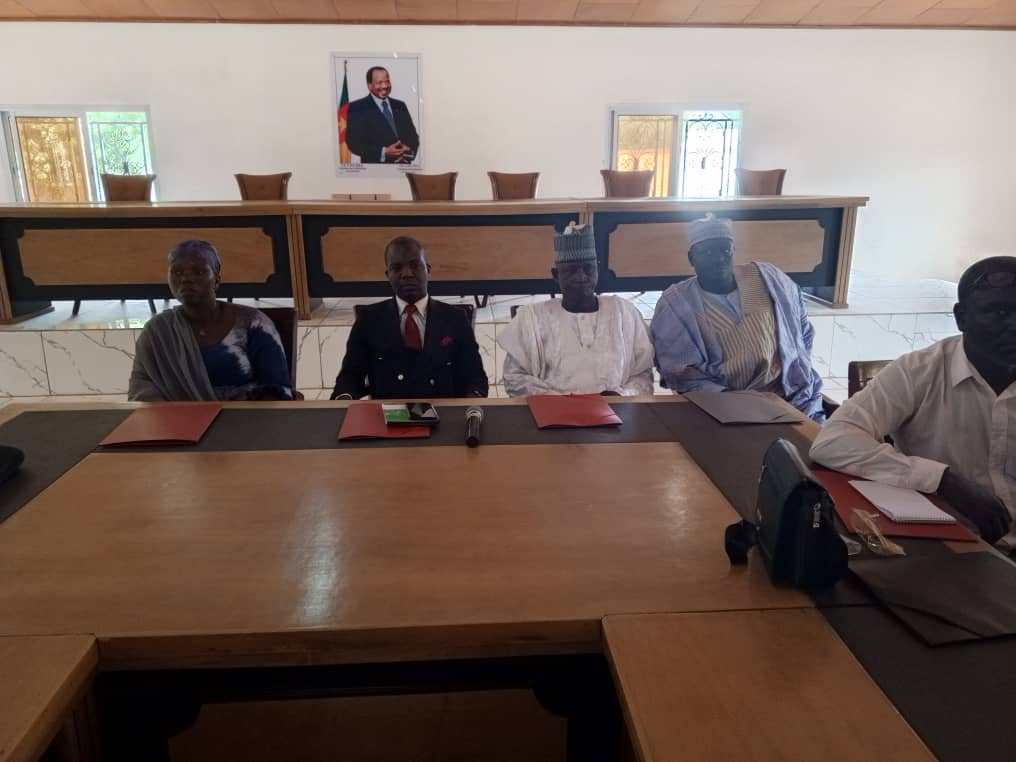
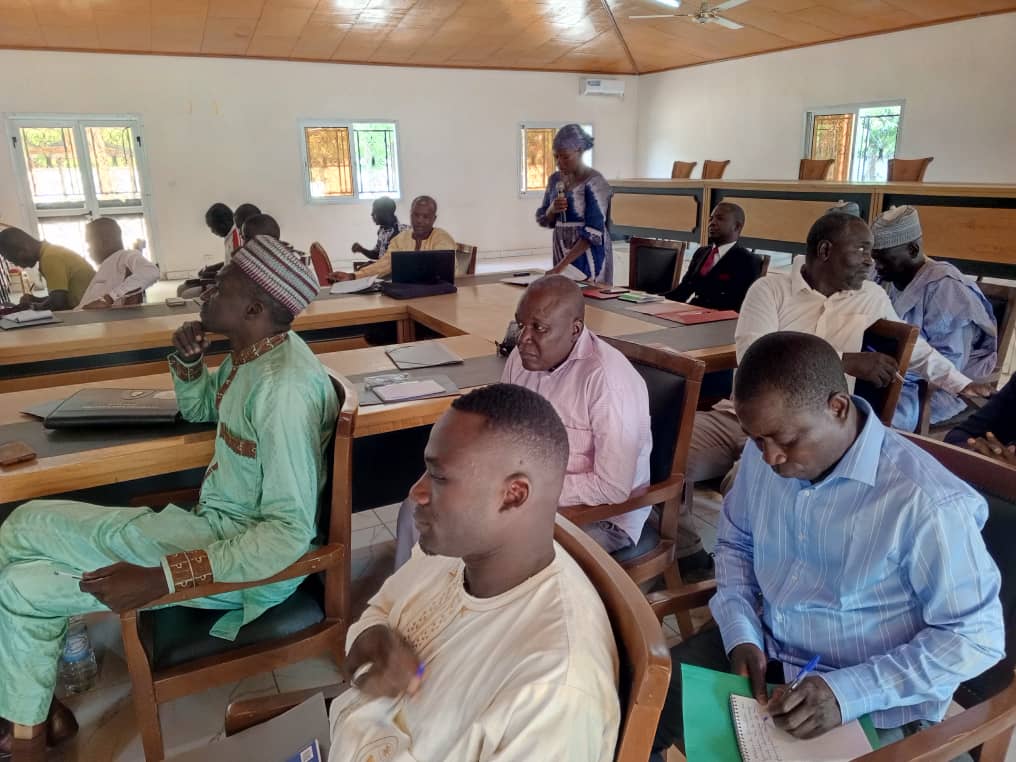
It is in this context that a training workshop for local trainers takes place in the Municipality of Tokombéré, as the Northern and Extreme-Northern regions of Cameroon are part of the Sahel with irregular precipitation. The workshop, which lasted for three days from June 24th to June 26th, 2023, focused on the theme of climate change and participatory seasonal planning. It was a capacity-building exercise for members of the CCPR (Communal Commission for Crisis Preparedness and Response) of the municipalities of Tokombéré, Mora, and Koza. The trainers were experts from the ONAC: National Observatory on Climate Change.
It should be noted that climate models suggest that the Sahelian zone will be subject to higher temperatures and more irregular precipitation in the future. This could have disastrous consequences for local communities, who are already facing significant challenges in terms of food security.
It is essential that governments and international organizations take measures to mitigate the effects of climate change in the Sahelian zone. This could include investments in resilient agriculture, social protection programs for the most vulnerable communities, and initiatives aimed at improving the management of natural resources. It is also important to work to resolve conflicts and political tensions in the region, in order to reduce the vulnerability of communities to the effects of climate change.
Some highlights from the workshop in pictures